Rocking the Cradle of Humankind: Geology and Giggles in South Africa
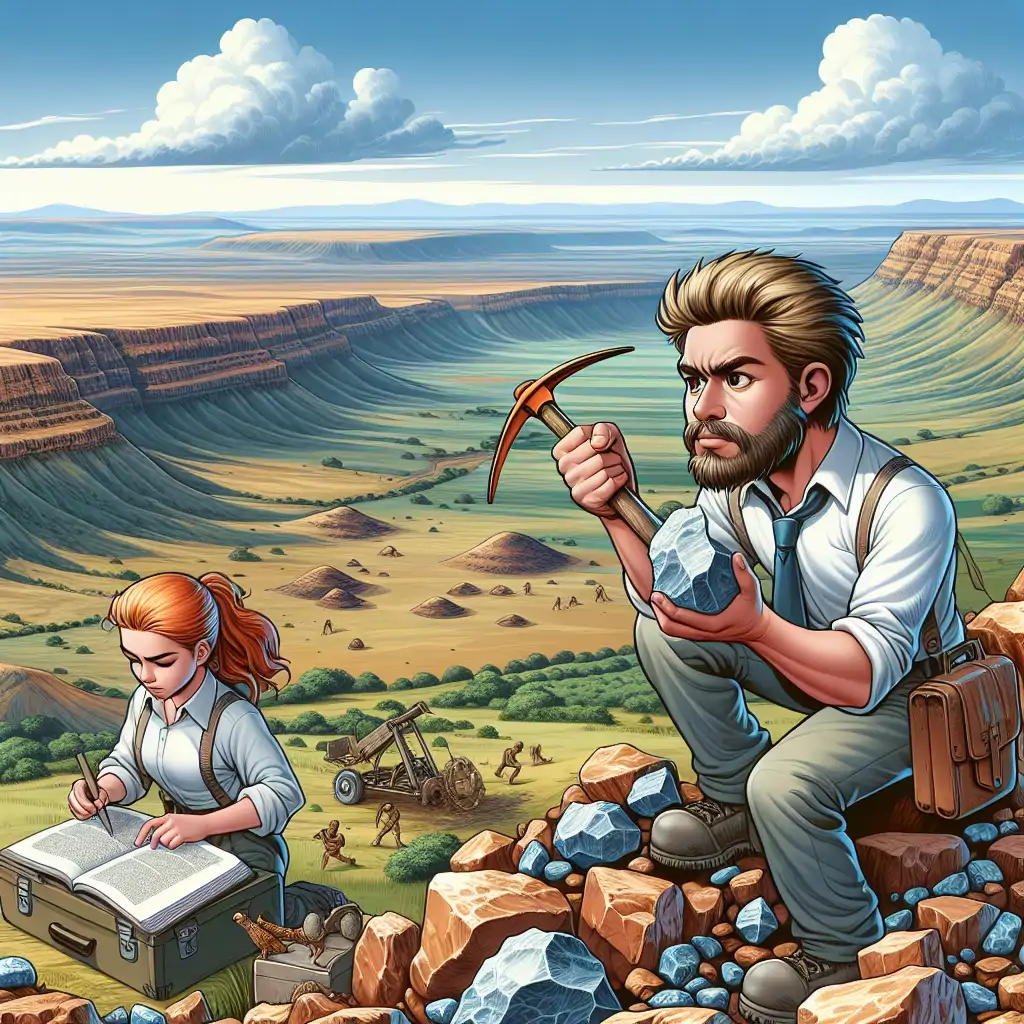
Gather round, rock enthusiasts, because today we're embarking on a geological joyride through the Cradle of Humankind in South Africa. Picture this: ancient rocks, fossilized ancestors, and tectonic drama – all sprinkled with a generous helping of humor. It's like a comedy show with Earth's history as the headliner.
Now, just to clarify, we're not exactly seeking out velociraptors or digging for dinosaur bones here. No, we're after something even cooler (yes, cooler than dinos): the rich mineral deposits and incredible geological history buried beneath South Africa's surfaces. Buckle up as we unravel the mysteries of the land that saw early humanity stroll its plains, while navigating cultural quirks and legendary mining tales!
Grab your pickaxe – or just your morning coffee – and let's wander the pathways of a region that acts as both the cradle of our species and a geological wonderland. Stick with me, and you'll walk away not only enlightened but laughing all the way to your rock collection!
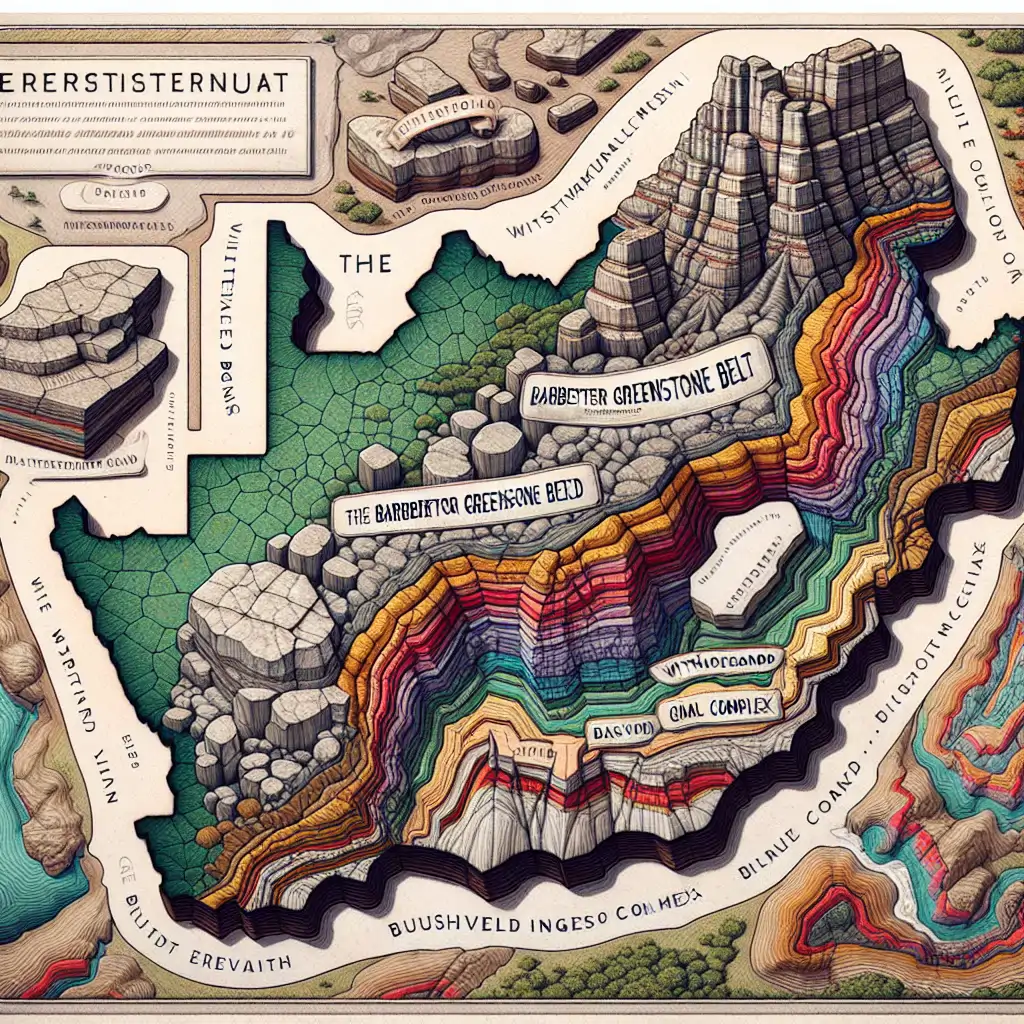
South Africa might be better known for its Big Five safari animals, but any geologist worth their salt knows the true treasures are right underfoot. We're talking about the Barberton Greenstone Belt, one of the oldest geological formations on Earth, dating back a staggering 3.5 billion years. Imagine, these rocks have seen more drama than a season finale of a binge-worthy TV show.
Now, let’s talk minerals. South Africa's got bling, folks – and not in a superficial way. The Witwatersrand Basin holds the world’s largest known gold reserves. And what’s our golden rule here? Gold puns are always welcome! Here’s one to kick things off: Why did the geologist sit on the gold? Because they wanted to take a load off their mine-d! (Apologies, I couldn't resist).
Moving from gold to bold, let’s chat about the Bushveld Igneous Complex. This colossal zone is the world’s richest source of platinum-group metals. Just imagine a giant pancake stack filled with precious metals instead of blueberries. We’re talking layers upon layers of chromium, vanadium, and platinum – enough to leave any geologist drooling.
Of course, rocks aren’t just static relics of the past; tectonic plates make sure of that. South Africa's landscape has shifted, collided, and rebounded over millennia due to these restless plates. Journey into the realms of mantle plumes and rifts, and you'll see why our continent feels like a geological jigsaw puzzle!
Naturally, where there are rocks, there are fossils. The Cradle of Humankind is a UNESCO World Heritage site for a reason, folks. Here, paleoanthropologists (fancy term for fossil hunters) have found remains of ancient hominids like Australopithecus africanus – think of them as your great-great-great (times a thousand) grandparents.
And there you have it, fellow wanderers – a whirlwind tour through the geological wonderland that is South Africa. From ancient crustal remnants to glittering gold veins and mysterious fossil finds, there’s no denying this country is a paradise for rock lovers and history buffs alike.
As you now know, the Cradle of Humankind isn't just about tracing back human history but also marveling at the Earth’s magnificent geological tapestry. Remember, every rock has a story, and in South Africa, those stories range from explosive volcanic tales to the slow, steady formation of mineral deposits.
So next time someone asks why you're so enamored with rocks, just tell them you’re into timeless treasures and ancient stories. Who wouldn't be? Till our next geological escapade, keep those pickaxes handy and never stop rocking!

Katie
Katie is a wildlife guru by day and a passionate part-time blog writer. With her deep expertise in nature and a gift for vivid storytelling, she crafts compelling articles that bring the wonders of the wild to life, captivating readers with her knowledge and love for the natural world.
A proud member of the B-Team
If you're curious to dive deeper into related topics, then you may find these external links useful.
1. Cradle of Humankind Official Site
Provides detailed information about the Cradle of Humankind, its significance as a World Heritage site, and its archaeological discoveries.
https://cohwhs.com/AboutTheCradle.html2. Barberton Makhonjwa Mountains
Covers the geological significance of the Barberton Greenstone Belt, one of the oldest geological formations on Earth, and its contribution to our understanding of early Earth history.
https://en.wikipedia.org/wiki/Makhonjwa_Mountains3. Witwatersrand Basin Gold Mining
Explains the history and importance of the Witwatersrand Basin as the largest gold-producing area in the world, and its impact on South Africa's economy.
https://link.springer.com/chapter/10.1007/978-3-319-78652-0_104. Bushveld Igneous Complex
Describes the geological features of the Bushveld Igneous Complex, known for its rich deposits of platinum-group metals, and its role in global mineral production.
https://en.wikipedia.org/wiki/Bushveld_Igneous_Complex5. UNESCO World Heritage: Fossil Hominid Sites of South Africa
Gives an overview of the fossil discoveries in the Cradle of Humankind, highlighting the evolutionary significance and scientific research conducted in the area.
https://whc.unesco.org/en/soc/1944/©2023 - 2026 SP Software Solutions Ltd. All rights reserved.