Tectonic Titters: Laughs and Lava in Tanzania's Volcanic Wonders
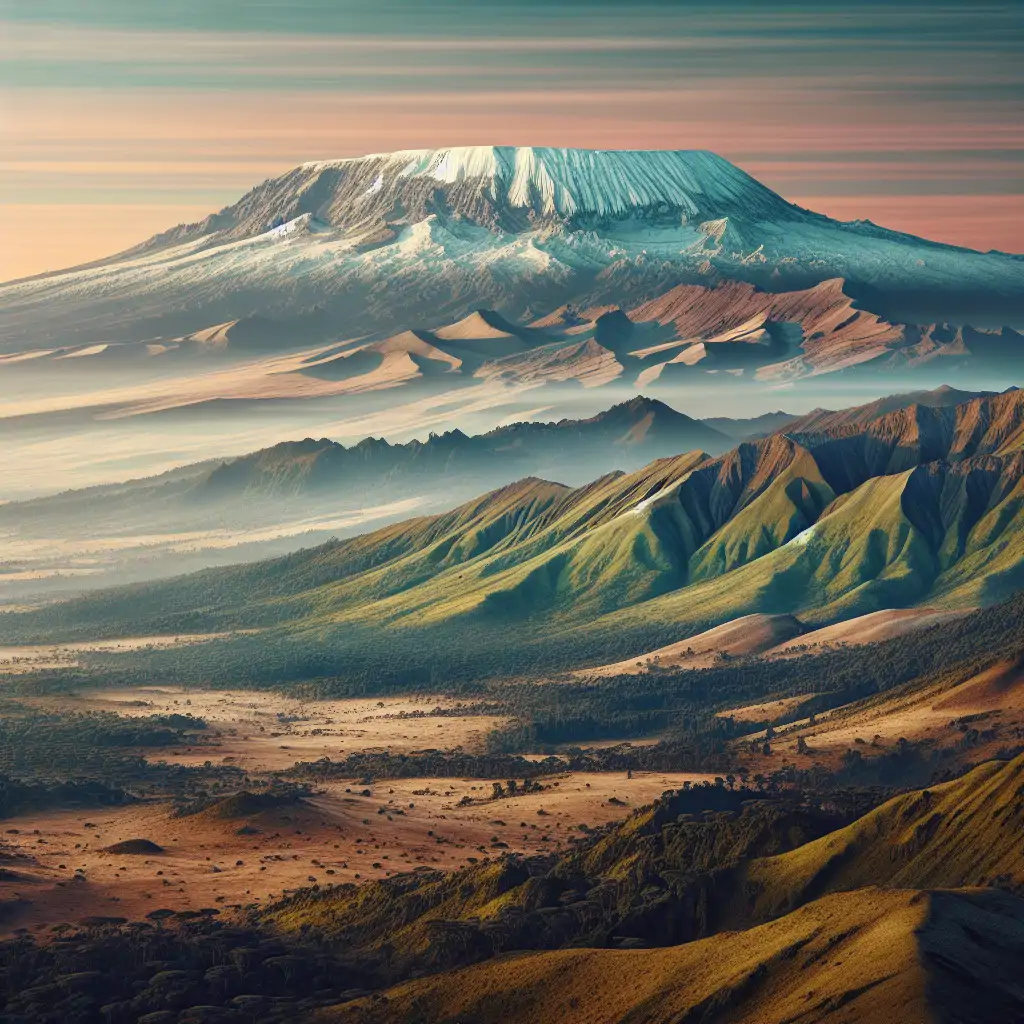
Grab your rock hammers and your sense of humor, fellow Earth enthusiasts, because today we're venturing into Tanzania, where the landscape brims with both geological marvels and cultural gems! Tanzania, home to some of the most mesmerizing volcanic sites on the planet, offers a playground for geologists and a haven for those who enjoy a good chuckle with their lava flows.
Now, if you're the sort who imagines volcanoes as angry pimples on the face of Earth, then you're in for a real surprise. In Tanzania, these geological formations are more like nature's stand-up comedians, always ready to throw out a punchline—sometimes literally! From the iconic, snow-capped Mount Kilimanjaro to the lava-spewing Ol Doinyo Lengai, or as the Maasai aptly call it, the 'Mountain of God,' Tanzania is an explosive mix of tectonic titters and sizzling landscapes.
In this blog, we'll chart a path through these fascinating volcanic features while sharing a few laughs and some illuminating facts about the intersection of geology, mining, and vibrant Tanzanian culture. Prepare yourself for a journey you won't soon forget—unless, of course, you get hit with a rogue volcanic rock, but let's hope it doesn't come to that!
Let's kick off this geothermal giggle-fest with the granddaddy of them all: Mount Kilimanjaro. You might recognize this colossal peak from postcards, travel brochures, or your overly eager adventurer friend's Instagram. Rising majestically at 5,895 meters, Kilimanjaro is Africa's tallest mountain, and unlike your uncle's bad jokes, it's well worth the hype.
Kilimanjaro's three volcanic cones—Kibo, Mawenzi, and Shira—showcase a geological buffet for any rock lover. Each cone has its own story, but together they form a composite stratovolcano that's both awe-inspiring and slightly intimidating. Climbing Kilimanjaro isn't just a physical challenge; it's like attending a geological masterclass where the homework assignment is to 'survive and laugh about it later.'
On the northern side, where the lava flow once dictated the landscape, you'll find lush rainforests teeming with wildlife. But don't just take my word for it—chat with any local guide who will happily regale you with tales, both mythical and factual, about this monumental peak. They'll likely sprinkle in a few exaggerated anecdotes for good measure. After all, why let a good story be ruined by accuracy?
The Fiery Fangs of Ol Doinyo Lengai
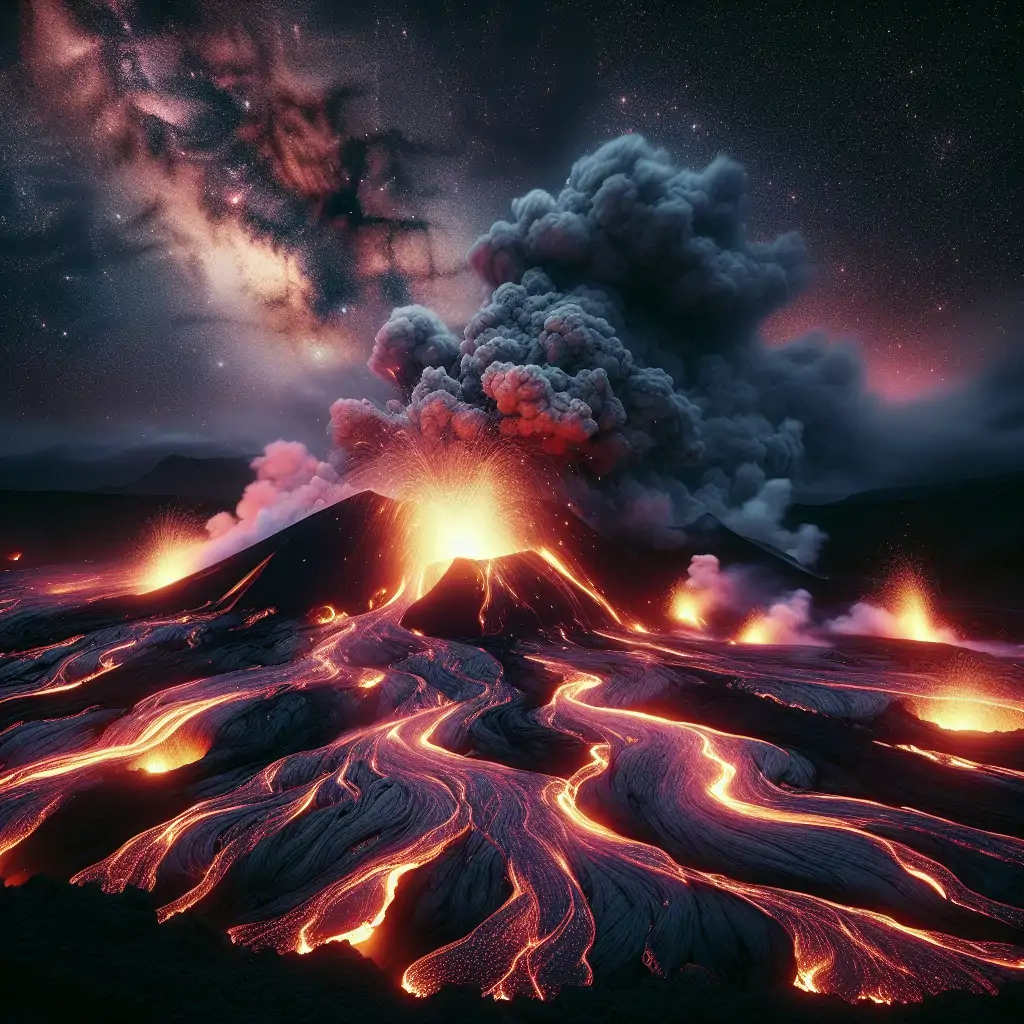
Next on our volcanic tour de force is the fiery Ol Doinyo Lengai, an active volcano that sounds more like an ancient deity than a geological feature. And guess what? The Maasai people refer to it as the 'Mountain of God,' so you're not far off. What makes Ol Doinyo Lengai so special, you ask? It's the world's only active natrocarbonatite volcano. In layman's terms, it spews lava that's so unique, it'd get a thousand thumbs-up emojis in a geology chatroom.
Imagine lava that flows like motor oil, bubbling and gurgling at a mere 590 °C. While other volcanoes unleash their wrath in the form of red-hot, molten rock, Ol Doinyo Lengai keeps it cool—relatively speaking. And as if Mother Nature wanted to show off her artistic side, the cooled lava forms intricate, ivory-like structures, making the mountain's landscape look like it was sculpted by an overzealous artist with a penchant for drama.
Local tales and scientific papers alike are filled with stories of Ol Doinyo Lengai's eruptions. From the gentle, almost humorous 'hiccups' to the full-blown 'belches' that send ash plumes sky high, the mountain's activity keeps locals and geologists alike on their toes.
Tanzanian Culture Meets Tectonic Turmoil
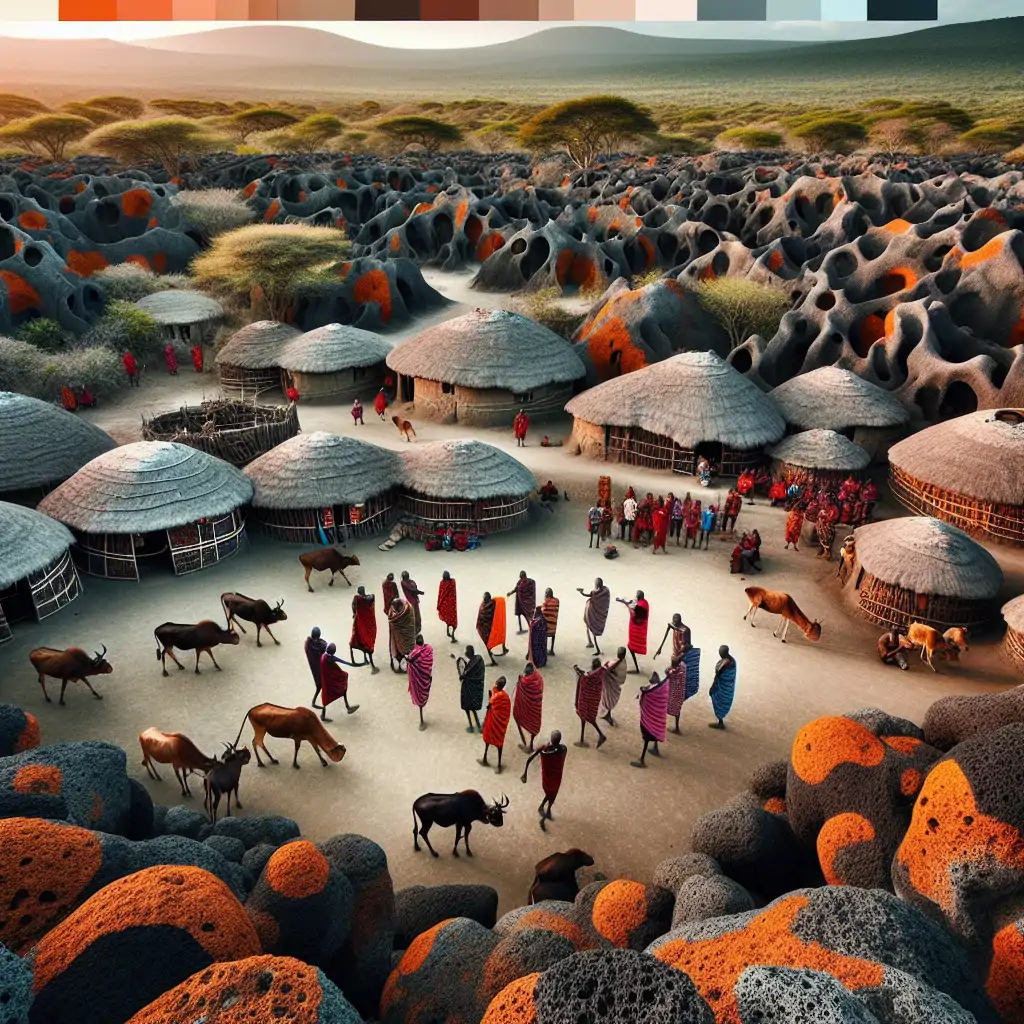
But volcanic wonders aren’t the only stars of our geological comedy show. The people who call this fiery landscape home add a rich layer of culture, humor, and resilience. Take the Maasai, for example. Living in the shadow of mountains that could, quite literally, blow their top, these folks have developed a unique relationship with the volcanic landscape.
The Maasai's traditional beliefs are interwoven with their natural surroundings. They view volcanic occurrences as celestial messages, sometimes serious, sometimes whimsical. Imagine living in a place where an eruption might be seen as a divine critique of last night’s dance performance! But even amid the tectonic tango, life goes on. Maasai communities continue herding cattle, crafting intricate beadwork, and greeting visitors with warmth and humor.
Mining, too, plays a significant role in Tanzania’s volcanic regions. Gems like Tanzanite—an exclusive product of the country—are often found in the rocky remnants of volcanic activity. In one of nature’s quirkiest ironies, the same tectonic forces that can terrorize also create treasures. Miners equipped with nothing but headlamps and sheer resilience venture deep into the earth to extract these precious stones, emerging with tales as dazzling as the gems themselves.
As our fiery expedition through Tanzania’s volcanic wonders draws to a close, it's clear that the nation’s geological and cultural landscapes are as richly intertwined as they are varied. From the majestic heights of Mount Kilimanjaro to the unique lava flows of Ol Doinyo Lengai, Tanzania offers a tapestry of experiences that are nothing short of explosive!
Alongside these geological spectacles stand the vibrant communities who’ve made these regions their home. Their tales, steeped in humor and resilience, remind us that even in the shadow of volatility, life thrives through laughter and ingenuity. Whether navigating the slopes of Kilimanjaro or digging for Tanzanian gemstones, the symbiotic relationship between the land and its people makes for a story that’s as deep and multifaceted as the minerals hidden within the earth.
So the next time you feel a rumble beneath your feet or spot a distant peak shrouded in mist, think of Tanzania. Remember the blend of science and stories, of rocks and revelry, that makes this slice of the Earth’s crust uniquely enchanting. And who knows? Maybe, just maybe, you’ll catch yourself chuckling at a rock joke or two.
Thanks for taking the time to read my article! You may also find this one interesting.
Granite Gags and Laughter Layers: Morocco's Magical Atlas MountainsTil next time! Prijanka

Prijanka
Prijanka is a wellness coach and inspired blog writer. Drawing from her expertise in holistic health and her talent for motivating others, she writes insightful articles that empower readers to live healthier, more balanced lives, blending practical advice with a genuine passion for well-being.
A proud member of the B-Team
If you're curious to dive deeper into related topics, then you may find these external links useful.
1. Mount Kilimanjaro National Park
Official site with information on climbing, conservation, and cultural significance of Africa's tallest mountain.
https://www.nationalgeographic.com/travel/article/how-to-climb-mount-kilimanjaro2. Ol Doinyo Lengai Volcano
A detailed article about Ol Doinyo Lengai's unique natrocarbonatite lava and its geological significance.
https://en.wikipedia.org/wiki/Ol_Doinyo_Lengai3. Maasai Culture and Traditions
Insights into the Maasai people's cultural practices and their connection to the volcanic landscape of Tanzania.
http://maasaiwilderness.org/maasai/4. Tanzanite Mining in Tanzania
An overview of the mining process of Tanzanite, a gemstone unique to Tanzania, and its geological origins.
https://www.gemsociety.org/article/tanzanite-mining/5. Geology of Tanzania
Comprehensive guide to Tanzania's geological features, including its volcanic activity and tectonic landscape.
https://geologyscience.com/gallery/geological-wonders/lake-natron-tanzania/©2023 - 2026 SP Software Solutions Ltd. All rights reserved.